Leadership Intervention: The Role That Will Matter More in the AI Era
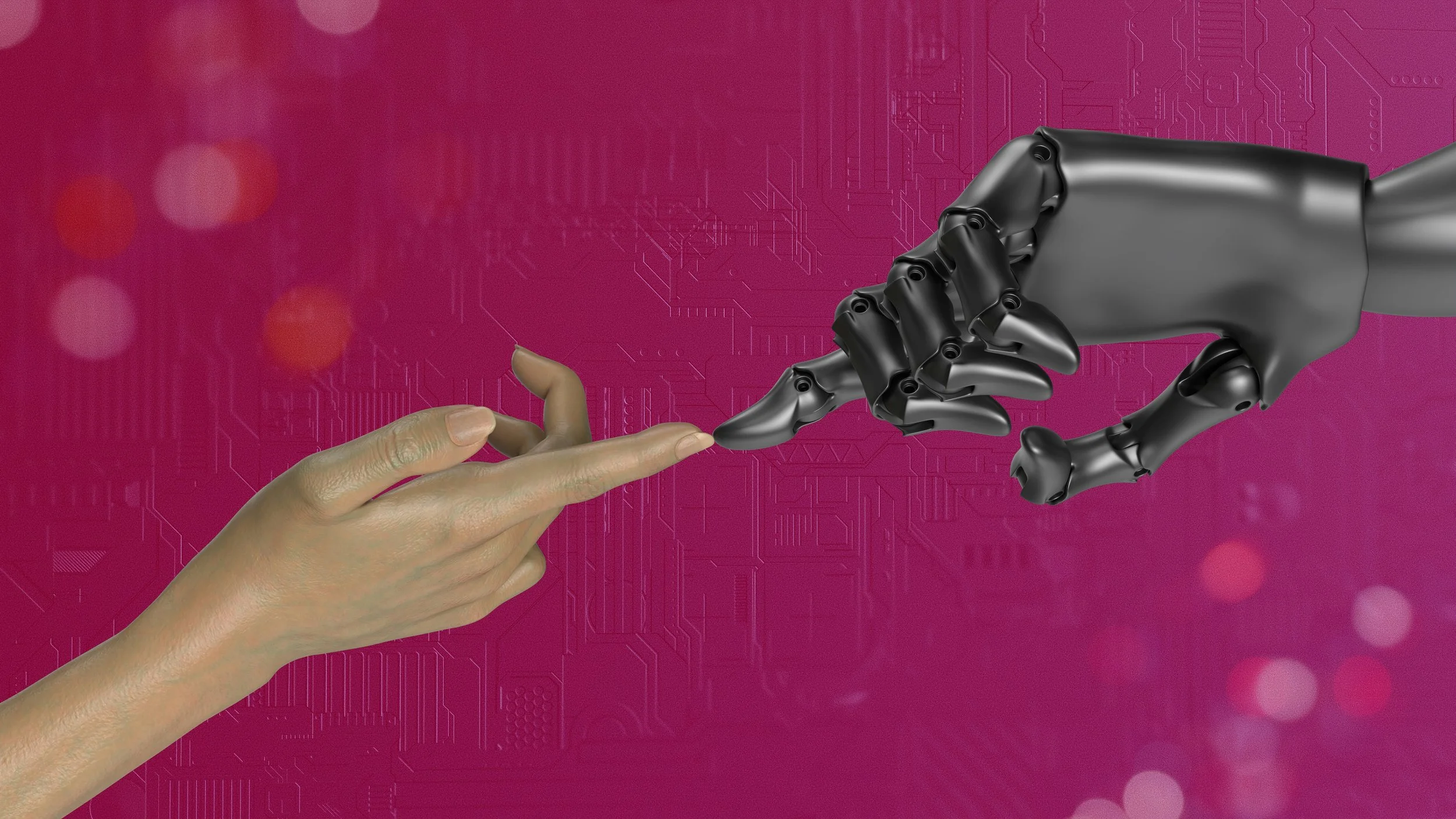
Image: Unsplash
Most organisations don’t collapse because their strategy was terrible.
They struggle because leadership systems quietly deteriorate underneath the strategy.
Communication becomes performative instead of honest.
Expectations drift.
Ownership blurs.
Standards soften.
Difficult conversations get postponed until they become expensive.
Politics replaces clarity.
And eventually, teams stop trusting what leaders say — even when those leaders are trying their best.
This is rarely sudden.
It’s usually gradual.
A slow erosion of alignment.
And in high-pressure environments, it happens far more often than most organisations realise.
The hidden leadership problem inside modern organisations
Many leadership problems are misdiagnosed as:
performance issues
culture issues
motivation issues
change resistance
communication breakdowns
But underneath those symptoms is often something deeper:
misalignment that nobody has properly addressed.
The problem isn’t always capability.
It’s unresolved friction.
Senior leaders stop communicating honestly with each other.
Teams stop raising concerns early.
Accountability becomes inconsistent.
People begin protecting positions instead of solving problems.
The organisation still functions — but clarity disappears.
And once clarity disappears, trust usually follows.
Why this becomes more important in the AI era
Over the next decade, AI will automate enormous amounts of execution work.
Reporting.
Analysis.
Coordination.
Administrative tasks.
Large parts of operational delivery.
But the more automation increases, the more valuable distinctly human leadership capabilities become:
executive judgement
stakeholder navigation
trust repair
political translation
alignment under pressure
ambiguity management
emotional regulation
difficult conversations
These are not easily automated because they are not purely technical problems.
They are relational systems problems.
And most organisations are significantly weaker in this area than they appear externally.
The rise of the “Leadership Intervention Specialist”
There’s a role emerging that many organisations don’t formally recognise yet — but desperately need.
Someone who can step into leadership tension and see clearly:
where communication has broken down
where accountability has drifted
where expectations are misaligned
where leadership behaviour is unintentionally creating instability
where unresolved friction is damaging performance
Not emotionally.
Structurally.
That distinction matters.
Because many leaders can feel tension.
Far fewer can diagnose it accurately.
The ability to identify patterns beneath behaviour is rare.
Especially under pressure.
What leaders actually need right now
Most senior leaders do not need more information.
They already have too much.
What they often lack is:
clear thinking space
objective perspective
honest reflection
structured challenge
confidential support
a place to process complexity without political consequences
This is one of the biggest reasons 1:1 leadership coaching is becoming more valuable — not less — in the AI era.
Not because leaders are weak.
Because the environment is becoming harder to navigate psychologically.
The Versed approach
Versed 1:1 coaching is designed for leaders operating inside complexity, pressure, and responsibility.
Not surface-level motivation.
Not corporate theatre.
But practical leadership clarity.
The work often involves helping leaders:
navigate difficult stakeholder dynamics
restore alignment inside teams
improve decision quality under pressure
separate emotional noise from operational reality
rebuild confidence and trust
have conversations they’ve been avoiding
lead calmly through uncertainty
Sometimes the breakthrough isn’t strategic.
It’s relational clarity.
And that clarity changes everything downstream.
Final thought
As AI accelerates execution, human leadership quality becomes easier to expose.
The leaders who thrive won’t necessarily be the loudest, fastest, or most charismatic.
They’ll be the ones who can:
think clearly under pressure
maintain trust during uncertainty
navigate complexity without losing alignment
and restore stability when organisations begin drifting off course
Because in the future of leadership, clarity is no longer a soft skill.
It’s infrastructure.